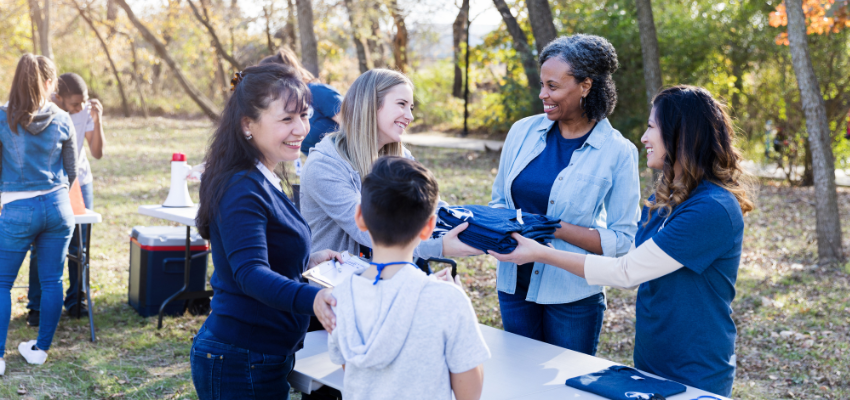
Community Engagement & Local Partnerships
Marketing isn’t just about ads—it’s about reputation. When your school shows up consistently in the community, people notice. Community engagement and partnerships help build trust, reach new families, and position your school as a valued part of the neighborhood. This strategy works especially well for charter schools, where credibility and visibility matter.
✅ Pros of Community Engagement:
Builds trust: Presence at local events and service efforts creates goodwill.
Reaches new families: Partnerships help you connect with families you wouldn’t reach through ads alone.
Low cost, high impact: Most community involvement opportunities are free or low-cost.
🚫 Cons of Community Engagement:
Time intensive: Building relationships takes consistency and follow-through.
Less immediate: Impact builds over time—not an overnight enrollment spike.
Harder to measure: Success isn’t always tied to clicks or forms, but relationships and reputation.
🏫 When to Focus on Community Engagement
Community engagement is a good fit if:
You’re looking to increase brand recognition in your neighborhood.
You want to connect with families who don’t use digital platforms regularly.
Your school has strong staff or parent ambassadors ready to be visible.
This may not be your lead strategy if:
You need to fill seats urgently and don’t have time for long-term relationship building.
You’re already stretched thin and can’t commit staff to attend events or build partnerships.
🛠️ Getting Started with Community Engagement
Partner with Local Organizations:
Reach out to youth centers, churches, mosques, immigrant associations, community nonprofits, or libraries.
Offer to host joint events (e.g., literacy nights, parent workshops) or supply flyers they can hand out.
Connect with Local Businesses & Employers:
Ask small businesses (cafés, laundromats, markets) if you can post a flyer.
Contact larger employers (hospitals, factories, etc.) about sharing school info in their HR emails or newsletters.
Build Relationships with Feeder Schools & Daycares:
Reach out to local daycares or preschools to speak about kindergarten readiness.
For middle/high schools: attend education fairs at local elementary schools or collaborate with Head Start programs.
Show Up at Community Events:
Seasonal festivals and street fairs: Set up a table with school info, student work, and a friendly staff presence.
Parades: March with students and a school banner to build visibility and pride.
Offer value: Host free seminars or workshops on parenting, college prep, or STEM topics.
Organize or Join Service Projects:
Lead clean-up days, food drives, or holiday donation events—wearing school shirts and sharing who you are.
It’s great visibility and builds authentic community ties.
Engage Local Media & Community Leaders:
Invite neighborhood leaders or city council members to school events.
Build relationships with local journalists who cover education or neighborhood news.
💸 Budget Considerations:
Most of these efforts cost little or nothing—just time and planning
Budget for small items like flyers, snacks for events, or signage ($100–$300)
📈 How to Measure Success:
of community events attended or hosted
of new contacts or sign-ups collected at events
Feedback from local partners and families
Increase in inquiries or applications tied to neighborhood involvement
⚠️ Common Mistakes to Avoid:
One-time outreach with no follow-up
Showing up without a clear role or materials
Forgetting to track who you met or what you shared
Treating it as a “checklist” item instead of a relationship
📝 Workspace & Notes:
Identify 2–3 local organizations to connect with
Think youth centers, churches, libraries, etc.
List upcoming community events
Any fairs, festivals, or public events where your school can show up?
Create an outreach plan
Who’s responsible for partnerships and community visibility?
Plan what to bring
Flyers, student work, sign-up sheets, table setup
Track connections
Who did you meet? Any families to follow up with?