 Move How to Use This Playbook
Open How to Use This Playbook
How to Use This Playbook
This playbook is a step-by-step guide to help Concept Schools campuses plan and execute effective local marketing. It outlines best practices and strategies tailored for charter schools, ensuring each campus can increase its visibility, attract new students, and build a strong reputation.
The purpose is to empower school leaders and staff with practical tactics – from understanding your audience to measuring results – so you can confidently market your school in the community. This guide is meant to be interactive, and at various points we’ll prompt you to jot down ideas and start building your own marketing plan as you go.
Getting Started
Think of this playbook as a reference manual and workbook in one. You can read it cover-to-cover to develop a comprehensive marketing plan, or jump directly to a section you
How to Use This Playbook
566 words
Move 6 Key Marketing Principals for Charter Schools
Open 6 Key Marketing Principals for Charter Schools
6 Key Marketing Principals for Charter Schools
Marketing a charter school requires a distinct approach that builds trust and highlights what makes your school special. Keep these key principles in mind:
1. Understand and Engage Your Community: Know the families you serve and what they care about. Marketing isn’t one-size-fits-all – tailor your efforts to the local culture and needs.
2. Build Trust Through Transparency: Many families may not fully understand charter schools or might have misconceptions. Be open about who you are, your results, and your public, tuition-free status. Share success stories, academic results, and accountability information to instill confidence.
3. Clear Value Proposition: Clearly communicate why your school is a great choice. Whether it’s a STEM focus, college prep results, or a safe learning environment, en
6 Key Marketing Principals for Charter Schools
246 words
Move Understanding Your Audience
Open Understanding Your Audience
Understanding Your Audience
Knowing who you are trying to reach is the foundation of all your marketing efforts. In this section, we’ll identify your target audience and explore how to engage them effectively.
Defining Your Target Families
Start by defining the demographics and values of your ideal and likely families:
Geography: What area or neighborhood does your school currently serve? Are there other areas or zip codes that might have large populations of target families?
Children’s Ages/Grades: Are you K-5, K-8, or 9-12? This determines whether you’re targeting families with young children or teenagers, and the different tools and mediums you might use to reach them.
Socio-economic Status: Consider income levels, employment, and education of parents/guardians.
Cultural/Ethnic Background: Note
Understanding Your Audience
389 words
Move Mastering the Enrollment Marketing Funnel
Open Mastering the Enrollment Marketing Funnel

Mastering the Enrollment Marketing Funnel
What Is a Marketing Funnel?
A marketing funnel is a framework that helps visualize the stages families go through on their way to enrolling in your school—from the first moment they hear your name to the day they submit an application (and beyond).
The funnel helps you organize your marketing efforts around where families are in their decision-making journey so you can deliver the right message at the right time.

Why It Matters for Enrollment
Most families don’t go from learning your name to enrolling overnight. They need to be guided. When you understand the funnel, you can:
Mastering the Enrollment Marketing Funnel
391 words
Move Re-Enrollment
Open Re-Enrollment

Re-enrollment Marketing Strategy
Re-enrollment isn’t just paperwork—it’s one of the most valuable marketing moments of the year. Getting current families to recommit early gives your school clarity, builds momentum, and reduces the pressure to recruit large numbers of new students later.
Our network-wide re-enrollment window runs from just after Thanksgiving through February 1. This timing is strategic: families are still energized from fall, looking ahead to the holidays, and not yet burned out by winter routines. It also gives you time to follow up with non-responders before key enrollment deadlines hit.
✅ Why This Matters:
Re-Enrollment
532 words
Move Events & Open Houses
Open Events & Open Houses
Hosting Events & Open Houses
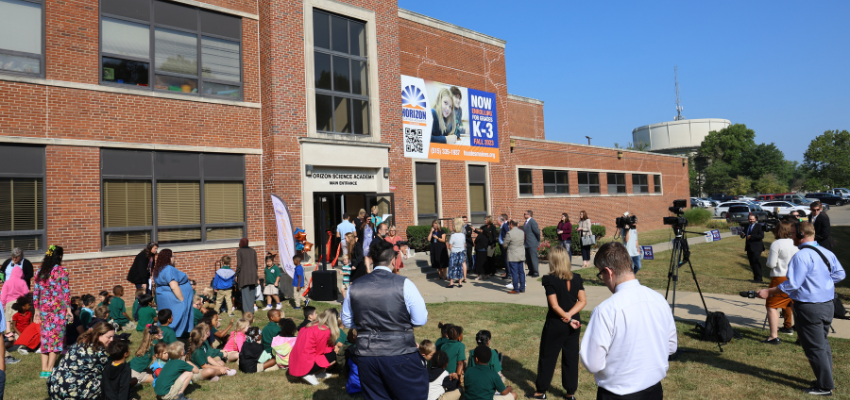
There’s no better way to convert interest into enrollment than getting families in the building. Open houses and in-person events give prospective families a chance to meet your staff, see your school culture, and envision their child as part of your community. Done well, they create trust and momentum—and often lead directly to applications.
Events don’t need to be fancy. They just need to be well-timed, welcoming, and supported by follow-up.
✅ Pros of Open Houses & Events:
Builds trust: Face-to-face interactions are more impactful than any flyer or ad.
Drives conversion: Families who attend are much more likely to apply.
Flexible format: Can be informal (walk-in tours) or structured (presentation + Q&A).
🚫 Challenges of Event-Based Marketing:
Events & Open Houses
555 words
Move Print Materials (Brochures, Flyers, etc.)
Open Print Materials (Brochures, Flyers, etc.)
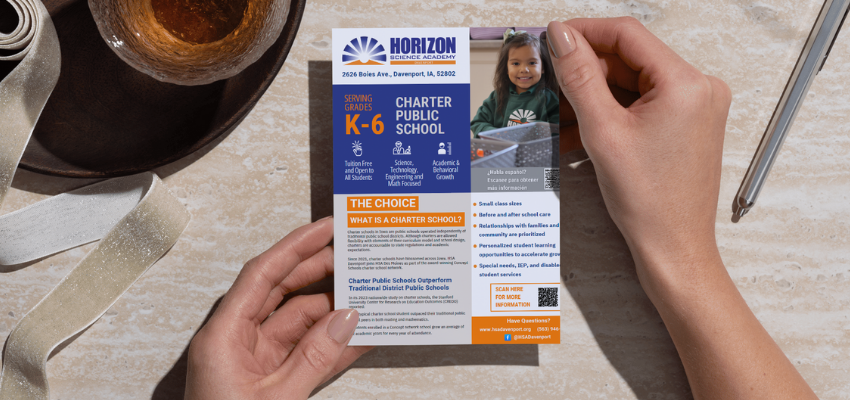
Print Materials (Brochures, Flyers, etc.)
Print materials are your leave-behinds. Whether you’re hosting an open house, attending a community event, or welcoming a walk-in family, brochures and flyers give prospective families something tangible to take home—and a reminder to follow up.
Well-designed print materials help communicate your message clearly and professionally. They’re also a great way to ensure consistency in how your school is presented.
✅ Pros of Print Materials:
Tangible: Gives families something to hold, read, and share.
Flexible: Can be used at events, in backpacks, in front offices, or distributed locally.
Brand-building: Professionally designed materials reflect the quality of your school.
🚫 Cons of Print Materials:
- Cost over time: Frequent reprints can add up.
Print Materials (Brochures, Flyers, etc.)
631 words
Move Signage, Banners & Yard Signs
Open Signage, Banners & Yard Signs
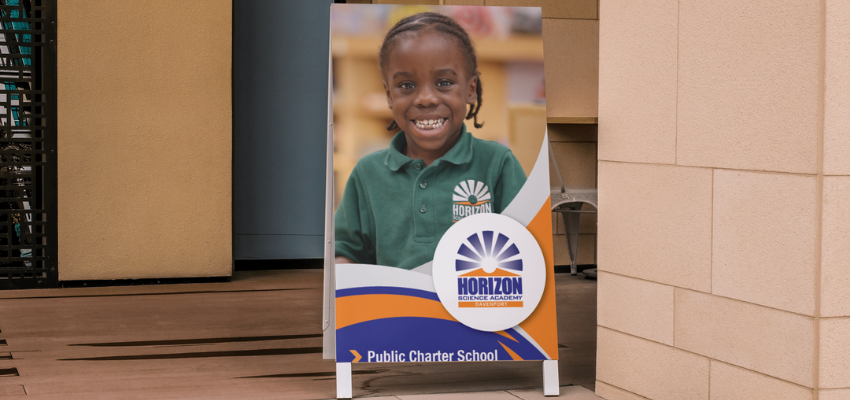
Signage, Banners & Yard Signs
Signage is one of the simplest and most visible ways to market your school locally. Whether it’s a banner on your fence, a sandwich board at a community event, or a yard sign in a parent’s front lawn—these tools help keep your school name and message in front of families every day.
✅ Pros of Signage, Banners & Yard Signs:
High visibility: Great for schools located near busy intersections or high-traffic areas.
Low cost: Yard signs and banners are budget-friendly and reusable.
Easy to implement: No vendors, no ad platforms—just put them up.
🚫 Cons of Signage, Banners & Yard Signs:
Limited targeting: Everyone sees them, not just prospective families.
Wear and tear: Outdoor signs fade, bend, or blow away over time.
Requires maintenance: Signs ne
Signage, Banners & Yard Signs
705 words
Move Social Media (Organic Posting)
Open Social Media (Organic Posting)
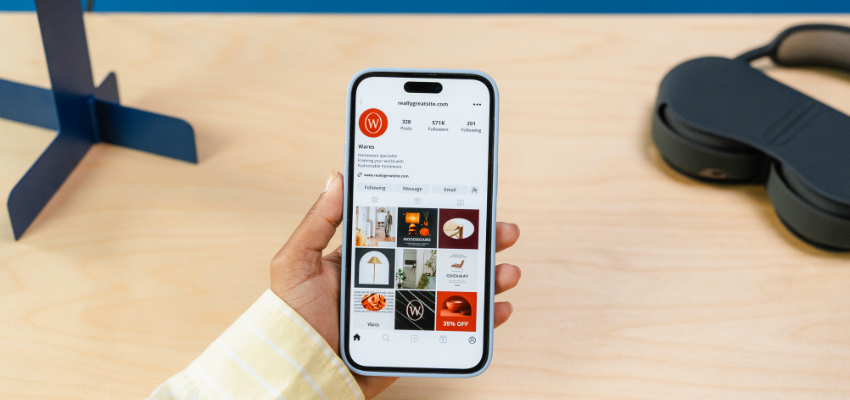
Running Your Social Media Channels (Organic Posting)
Every school in our network is expected to manage and post regularly on its social media channels—primarily Facebook and Instagram. These platforms are your school’s most visible, real-time connection to families. They help build trust, showcase your community, and keep both current and prospective families engaged.
Posting consistently doesn’t require advanced skills or expensive tools—it just takes a plan, some great photos, and a clear understanding of your audience.
✅ Pros of Organic Social Media:
Real-time communication: Quickly share events, student achievements, or important updates.
Builds school culture: Families love seeing what’s happening day-to-day inside the building.
Free to use: Organic posting costs nothing but time.
**🚫 Cons of O
Social Media (Organic Posting)
664 words
Move Email Marketing
Open Email Marketing

Email Newsletters
Email newsletters are one of the most cost-effective ways to stay connected with current and prospective families. Whether you’re sending a monthly update or following up with someone who visited your school, email helps build trust, keep your school top-of-mind, and drive action—like completing an application or attending a tour.
✅ Pros of Email Newsletters:
Direct connection: Goes straight to a family’s inbox—no social media algorithm in the way.
Flexible content: Share school updates, event reminders, enrollment info, or celebrate success stories.
Low cost: Most email platforms are free or low-cost for small lists.
🚫 Cons of Email Newsletters:
Email Marketing
669 words
Move PR & Media Outreach
Open PR & Media Outreach

PR & Media Outreach
Public relations (PR) and media outreach are powerful tools for elevating your school’s reputation in the community. When your school’s achievements, events, or programs are featured in local news, it builds credibility and visibility—not just with prospective families, but with community partners, funders, and civic leaders.
You don’t need to be a PR expert to get started. With the right story and a little outreach, your school can regularly appear in newspapers, online blogs, and even on TV or radio.
✅ Pros of PR & Media Outreach:
Builds credibility: Coverage by a local news outlet carries more weight than a paid ad.
Free exposure: Unlike advertising, PR placements typically cost nothing.
Long-term impact: A single article can live online for months or years and continue driving traffic.
PR & Media Outreach
698 words
Move Community Engagement & Local Partnerships
Open Community Engagement & Local Partnerships

Community Engagement & Local Partnerships
Marketing isn’t just about ads—it’s about reputation. When your school shows up consistently in the community, people notice. Community engagement and partnerships help build trust, reach new families, and position your school as a valued part of the neighborhood. This strategy works especially well for charter schools, where credibility and visibility matter.
✅ Pros of Community Engagement:
Builds trust: Presence at local events and service efforts creates goodwill.
Reaches new families: Partnerships help you connect with families you wouldn’t reach through ads alone.
Low cost, high impact: Most community involvement opportunities are free or low-cost.
🚫 Cons of Community Engagement:
- Time intensive: Building relationships takes consistency and fol
Community Engagement & Local Partnerships
670 words
Move Postcards
Open Postcards
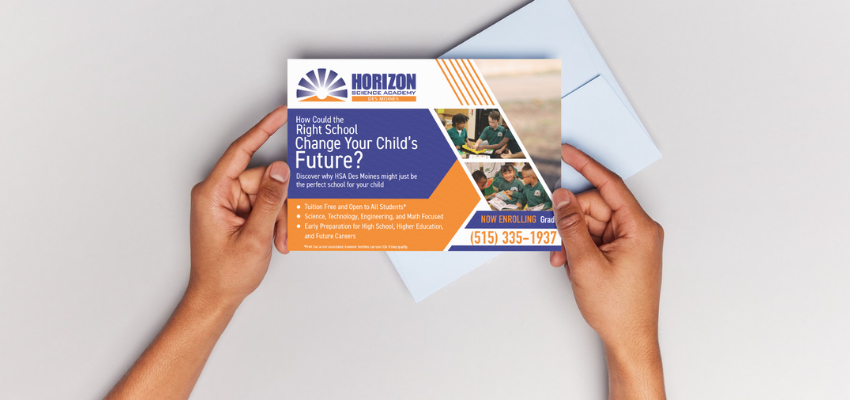
Direct Mail Postcards
Direct mail is a proven way to reach local households with a focused message and clear call to action. Whether you’re announcing open enrollment or inviting families to an event, a well-designed postcard can stand out in a crowded mailbox.
Depending on your mailing list, postcards can be sent to specific addresses (based on demographics or zip codes) or blanketed across a neighborhood using USPS’s Every Door Direct Mail (EDDM) service.
✅ Pros of Direct Mail Postcards:
Targeted: Reach the exact zip codes or neighborhoods you serve.
Tangible: Physical postcards have a longer shelf life than digital ads.
Versatile: Great for both brand awareness and event or deadline promotion.
Customizable: Easily trackable with QR codes, custom URLs, or phone numbers.
🚫 Cons of Direct Mail Postcards:
- Cost: Printing + postage can add up, esp
Postcards
749 words
Move Billboards
Open Billboards
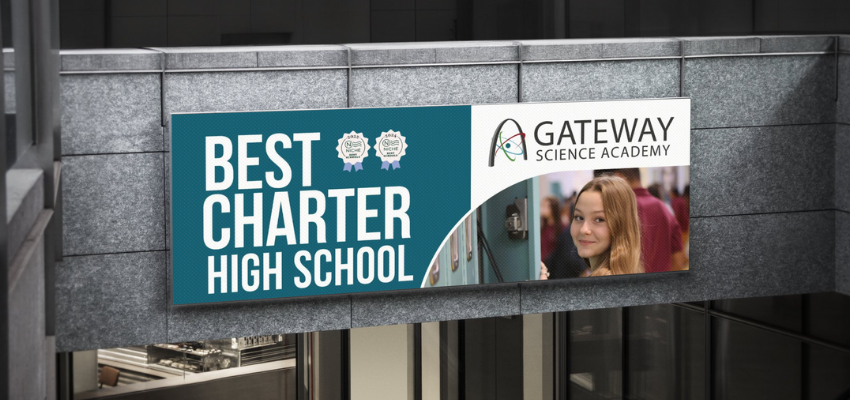
Billboards & Out-of-Home Advertising
Billboard advertising—and other Out-of-Home (OOH) marketing like bus ads, shelter signs, and train terminal displays—uses large-format signage in high-traffic areas to build awareness. These campaigns are designed to reach commuters repeatedly as they travel familiar routes, keeping your school top-of-mind.
OOH ads can be static (a single printed image) or digital (rotating messages that can change as often as you’d like), depending on your vendor and location.
✅ Pros of Billboard Advertising:
High visibility: Reaches thousands of drivers daily, especially in high-traffic areas.
Long lifespan: Static billboards run for 4+ weeks with consistent messaging.
Brand familiarity: Builds name recognition over time through repeated exposure.
Credibility: Being on a billboard signals professionalism and permanence to some f
Billboards
725 words
Move Print Ads
Open Print Ads

Print Ads in Local Media
Newspapers and community magazines may not be as flashy as digital ads—but they still carry weight in many neighborhoods. Local print ads offer visibility, credibility, and a direct way to stay in front of families who read community publications, church bulletins, or parenting magazines.
✅ Pros of TV & Radio Advertising:
Broad reach: Ideal for raising awareness across a large geographic area.
High frequency: Repeated exposure builds familiarity and trust.
Credibility: Appearing on well-known stations enhances your school's public profile.
🚫 Cons of Print Advertising:
Limited shelf life: Newspapers get recycled. Magazines may sit around longer, but it’s still a short window.
Hard to track: You’ll need a unique URL, phone number, or QR code to measure perfo
Print Ads
637 words
Move Local TV & Radio
Open Local TV & Radio

Local TV & Radio Advertising
TV and radio ads can help your school stand out in a crowded market—especially when you’re looking to reach a broad, local audience quickly. These traditional media channels offer credibility, scale, and repeated exposure during daily commutes or popular programs.
✅ Pros of TV & Radio Advertising:
Broad reach: Ideal for raising awareness across a large geographic area.
High frequency: Repeated exposure builds familiarity and trust.
Credibility: Appearing on well-known stations enhances your school's public profile.
🚫 Cons of TV & Radio Advertising:
Cost: Typically more expensive than digital or print options.
Harder to target: Reaches a general audience, not just prospective families.
Requires production: You’ll need a quality video or audio s
Local TV & Radio
593 words
Move Google Ads
Open Google Ads

Google Search Ads
Google Search Ads are one of the most efficient ways to connect with families who are actively searching for a new school. When a parent types “STEM school near me” or “tuition-free K–8 in [City],” your ad can appear at the top of their search results—making it easier for them to discover and explore your school.
Search ads are cost-effective, trackable, and great for driving website visits and inquiries.
✅ Pros of Google Search Ads:
High intent: Reaches families actively looking for school options.
Cost-efficient: You only pay when someone clicks.
Trackable: Easy to see what’s working and optimize in real time.
🚫 Cons of Google Search Ads:
Requires setup: You’ll need to create and manage a Google Ads account.
Learning curve: Targeting, bidding, and ad creatio
Google Ads
637 words
Move Social Media (Paid Ads)
Open Social Media (Paid Ads)
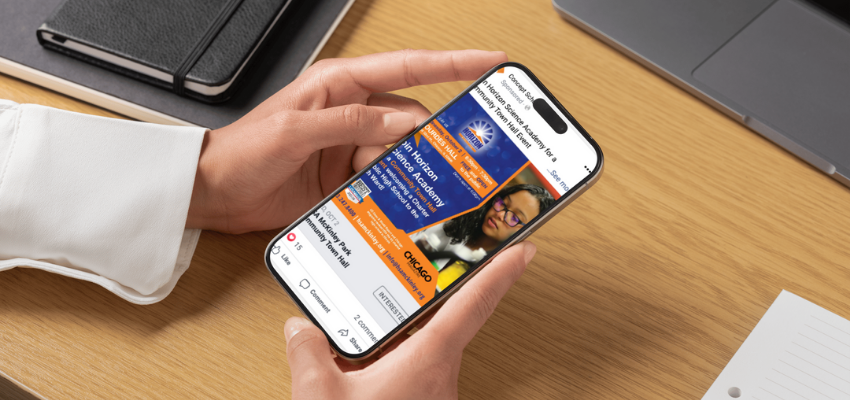
Facebook & Instagram Ads
Facebook and Instagram (Meta) ads are one of the most powerful tools schools can use to increase awareness and drive inquiries. These platforms let you reach local families based on geography, interests, behaviors, and more—making it easy to get your school in front of the right audience at the right time.
When paired with clear messaging and a strong call-to-action, Meta ads can help you fill open seats fast.
✅ Pros of Facebook & Instagram Ads:
Highly targeted: Reach families by zip code, age, parental status, language, and more.
Cost-effective: Start with as little as $10 per day.
Trackable: See exactly how many people clicked or saw your ad.
🚫 Cons of Facebook & Instagram Ads:
Social Media (Paid Ads)
642 words